A boat trailer can look fine from ten feet away and still have a problem that ends the trip before the launch. A partly latched coupler, soft tire, failed signal light or loose strap doesn't need weeks to become serious. It only needs one highway ramp, pothole or hard stop....
Quick answer: Before every tow, confirm the coupler is fully seated and locked, the safety connections are correct, the boat is restrained at the bow and transom, the tires are sound and set to their specified cold pressure, the wheel hardware is secure, and every required light works. If one safety-critical check fails, don't move the trailer until it's fixed.
A boat trailer can look fine from ten feet away and still have a problem that ends the trip before the launch. A partly latched coupler, soft tire, failed signal light or loose strap doesn't need weeks to become serious. It only needs one highway ramp, pothole or hard stop.
You don't need a complicated inspection before every outing. You need the same five-minute check every time, plus scheduled maintenance based on the actual trailer, axle, brake and hub manufacturers.
::cta
variant: inline
heading: Keep a five-minute trailer check in the tow vehicle
body: Use this pre-departure card to check the hitch, safety connections, boat restraints, tires, hubs, lights and Ontario brake threshold before the trailer moves.
primaryLabel: Download trailer check (PDF)
primaryHref: /downloads/five-minute-boat-trailer-check-hbw.pdf
::
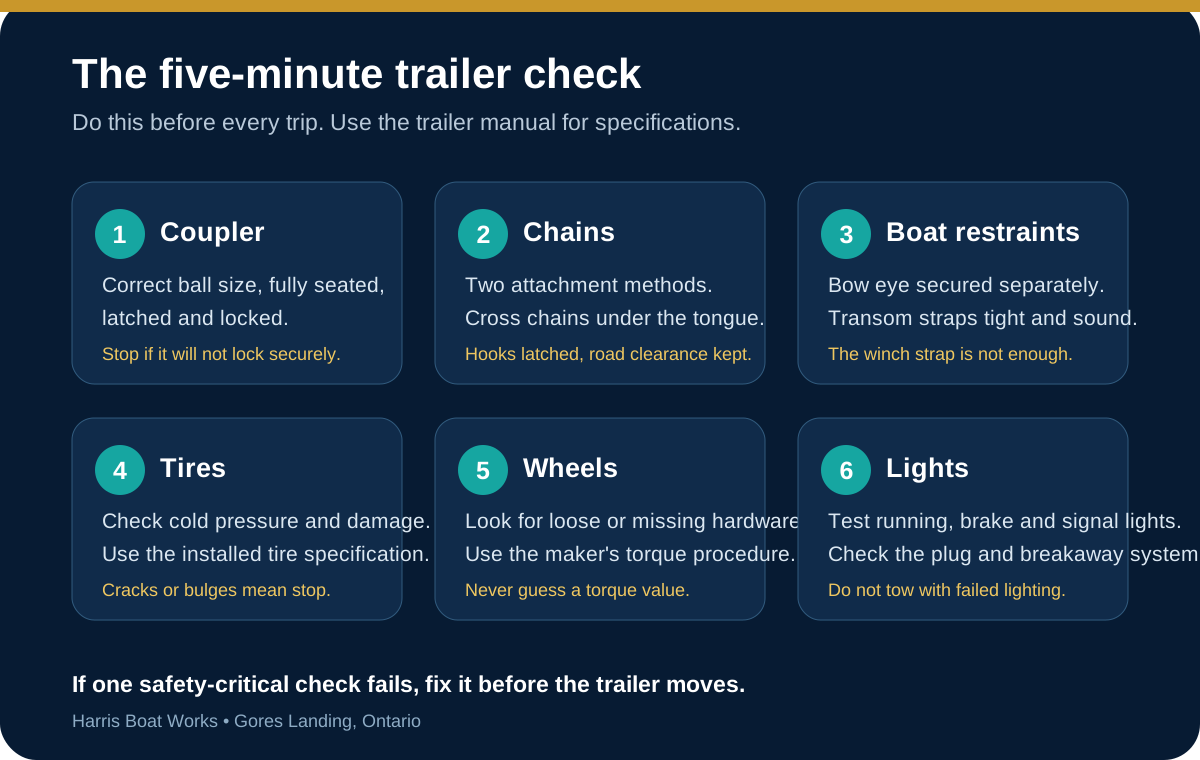
The Five-Minute Check
Walk around the trailer in the same order every time. That's what keeps an easy-to-miss item from being skipped.
1. Coupler, ball and jack
Confirm the coupler is the correct size for the hitch ball, fully lowered onto it, latched and secured. The coupler and ball must also have adequate capacity for the loaded trailer.
Raise the tongue jack until it is fully clear and secured for travel. Before relying on the latch, use the tongue jack to apply a small upward load. If the coupler lifts away from the ball, it was not properly seated.
Stop the trip if the coupler will not latch positively, the lock or pin is missing, or any part is bent, cracked or excessively worn.
2. Safety chains and breakaway connection
Ontario's Ministry of Transportation says a trailer needs two separate means of attachment to the tow vehicle. If chains are used, cross them beneath the tongue so they can help support it if the primary connection fails. Keep enough slack for a full turn without letting the chains drag.
Make sure the hooks are fully engaged and their retainers close. On a braked trailer with a breakaway system, connect its cable to the tow vehicle as directed by the trailer manufacturer, not to a chain that could leave with the trailer.
3. Bow and transom restraints
The winch strap pulls the boat forward, but it should not be the only thing holding the bow down. Confirm the bow safety chain or secondary restraint is attached. At the stern, check both transom straps for cuts, corrosion, damaged hooks and lost tension.
Use the support method specified for your boat, motor and trailer combination. There is no universal transom-saver position that is correct for every rig.
4. Tires
Check pressure while the tires are cold, using the value specified for the installed trailer tire and the trailer maker's instructions. Do not borrow the tow vehicle's door-jamb number and do not invent a lower pressure to soften the ride.
Look at the full visible circumference and both sidewalls. Cuts, bulges, exposed cord, significant cracking, objects in the tread or an obviously low tire are stop signs. Confirm the spare is inflated and that you can actually access the tools required to change it.
5. Wheels and hubs
Look for missing or loose hardware, rust trails around studs, grease where it should not be, a damaged dust cap or signs that a wheel has shifted. Wheel-nut torque and recheck intervals vary, so use the trailer or wheel manufacturer's procedure and a torque wrench.
After the first safe stop on a longer trip, compare the hubs from side to side without touching a hot component. One hub that is markedly hotter than its mate, smells burned or is leaking needs attention. A hand-temperature guess is not a substitute for the maker's inspection procedure.
6. Lights, plug and visible load security
Test running lights, brake lights and both turn signals with the tow vehicle connected. Check the electrical plug and cable for damage and enough slack to turn without dragging.
Stand behind the rig and confirm the boat sits squarely, gear inside the boat is secured, the drain plug is handled according to local transport and launch procedures, and nothing can swing into a tire or the road.
The Go, Fix or Stop Table
| Item |
Go |
Fix before moving |
Stop and inspect |
| Coupler |
Fully seated, latched and secured |
Missing lock or pin |
Will not seat, bent or visibly cracked |
| Chains |
Crossed, latched and clear of road |
Excess slack or poor routing |
Broken link, open hook or only one attachment |
| Restraints |
Bow and transom secured |
Loose strap |
Cut webbing, failed hook or no secondary bow restraint |
| Tires |
Correct cold pressure, no visible damage |
Minor pressure correction |
Bulge, exposed cord, major crack or persistent loss |
| Wheels |
Hardware present, no movement signs |
Torque verification due |
Missing hardware, rust trails or visible looseness |
| Lights |
All required functions work |
Dirty connector |
Brake or signal light fails |
This is a departure check. It isn't permission to postpone maintenance.
What Five Minutes Cannot Replace
Trailer systems aren't all built the same. Some hubs are serviceable, some use sealed or oil-bath systems, and brake designs and breakaway systems differ. The correct maintenance work and interval must come from the component maker and the trailer manual.
| System |
Scheduled work to confirm |
| Tires and wheels |
Age, condition, load rating, pressure, torque procedure and spare |
| Hubs and bearings |
System type, lubricant, seals, adjustment and inspection interval |
| Brakes |
Actuator, lines, fluid where applicable, friction components and breakaway system |
| Coupler and jack |
Wear, lubrication points, capacity labels and fasteners |
| Bunks and rollers |
Support, alignment, fasteners, carpet or roller condition |
| Wiring and lights |
Grounds, connectors, sealed lamps and cable routing |
If the manual is missing, record the trailer VIN and the axle, coupler and brake-component labels. Those identifiers are more useful than a generic internet schedule.
Common Shortcuts That Create Trouble
Kicking a tire. It may find a completely flat tire, but it does not measure cold pressure or reveal all structural damage.
Assuming the winch strap secures the boat. It is one part of the restraint system, not a replacement for a bow safety connection and transom straps.
Using a universal torque number. Stud size, wheel construction and manufacturer procedure matter. Guessing can leave a wheel loose or damage the hardware.
Greasing every hub the same way. Different bearing systems require different procedures. More grease is not automatically better and can damage a seal or contaminate brakes.
Testing the lights alone. Reflections help, but a second person or a phone recording from a safe stationary position makes the check more reliable.
A Better Ontario Towing Routine
Do the six checks at home, not in the launch lane. Repeat a shorter walk-around after loading fuel or gear and after the first safe stop. On rough cottage roads, check the restraints again before joining the highway.
Keep the following in the tow vehicle:
- pressure gauge and the correct inflation source
- torque wrench and the correct socket
- jack rated and positioned for the trailer
- wheel chocks
- serviceable spare tire
- replacement fuses or lamps appropriate to the rig
- reflective vest and warning device
- trailer manual and roadside-assistance information
The best checklist is the one you can complete correctly without improvising at the shoulder.
What We See at HBW
A Rice Lake trip can include highway speed, broken county-road pavement, a cottage lane and a steep launch ramp in the same hour. That's why the walk-around belongs at home, not in the launch queue at Gores Landing.
The trouble worth catching early is usually ordinary: one loose connection, one soft tire, one strap that looked fine last time. A fixed routine catches those small misses before road speed turns them into a much bigger problem.
Need a Second Set of Eyes?
If a trailer concern appears while you're preparing the boat for Mercury service, add it to the service request. We'll confirm what's within current shop scope and point you the right way. If the trailer isn't safe to tow, don't bring it down the road for an inspection.
Start a service request
Sources
